

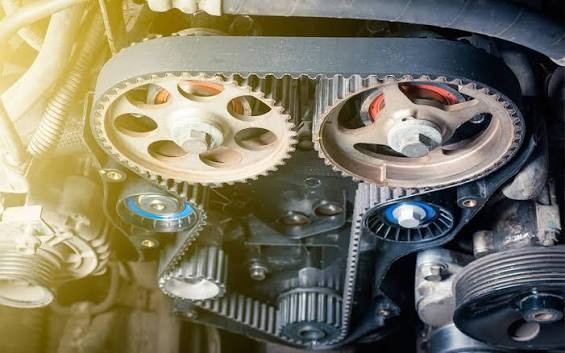
A timing belt is a vital engine component that keeps internal parts moving correctly. It connects the crankshaft with the camshaft and maintains precise engine timing. When the belt becomes weak the engine can lose its proper mechanical rhythm. So, recognizing early warning signs can prevent expensive internal engine damage. The problem is that timing belt wear often develops without obvious symptoms. Regular inspections also help protect the engine from sudden and severe mechanical failure.
Engine Misfires May Indicate Incorrect Timing
Engine misfires can sometimes develop when a timing belt becomes worn. A stretched belt may alter the precise relationship between engine components. The engine then struggles to maintain proper combustion timing during operation. This can cause rough running and noticeable hesitation during acceleration. A professional technician should inspect the timing system before assuming another fault. EAS Tire & Auto can assess engine timing and identify possible belt related problems. Early diagnosis can prevent minor timing problems from becoming severe mechanical damage.
Visible Belt Damage Requires Immediate Attention
A timing belt can sometimes show physical signs of deterioration during inspection. Cracks across the belt surface can indicate material breakdown from age. Frayed edges may suggest incorrect alignment or problems with surrounding components. Missing teeth can create serious timing problems during engine operation. Oil contamination can also weaken certain belt materials over extended periods. The belt may appear acceptable while hidden internal deterioration continues to develop. Auto Repair in Lakewood, CO service can help identify suspicious timing belt conditions. EAS Tire & Auto also provides professional inspection when unusual belt symptoms appear during vehicle operation.
Regular Maintenance Helps Prevent Sudden Timing Belt Failure
Timing belts require replacement according to manufacturer maintenance recommendations and vehicle conditions. Waiting until visible damage appears can increase the possibility of sudden failure. Heat exposure and repeated engine operation gradually affect belt material strength. Driving conditions can also influence how quickly surrounding timing components deteriorate. EAS Tire & Auto can inspect the complete timing system and recommend appropriate maintenance. Preventive service remains far less disruptive than unexpected engine failure and extensive repairs.
FAQs
Can A Timing Belt Look Healthy but Still Need Replacement?
Yes. Internal material deterioration can develop before obvious surface damage becomes visible. Manufacturer service recommendations therefore remain important for preventive maintenance.
Does A Squealing Sound Always Mean Timing Belt Damage?
No. Squealing can originate from accessory belts or other rotating components. Professional diagnosis can determine the actual source before unnecessary replacement occurs.
Can Oil Contamination Shorten Timing Belt Life?
Yes. Certain belt materials can deteriorate when exposed to engine oil. Finding and repairing the source of contamination should happen before replacing components.
Can Early Timing Belt Inspection Prevent Major Engine Repairs?
Early inspection can identify wear before complete belt failure occurs. Preventive replacement can therefore reduce the risk of severe internal engine damage.
